High-Grade Silver and Critical Minerals in the USA
Bayhorse Silver is preparing the past producing Bayhorse Silver Mine in Oregon for a return to production, from a 6.3 million ounce NI 43-101 inferred silver resource, with the Pegasus copper porphyry prospect next door in Idaho.
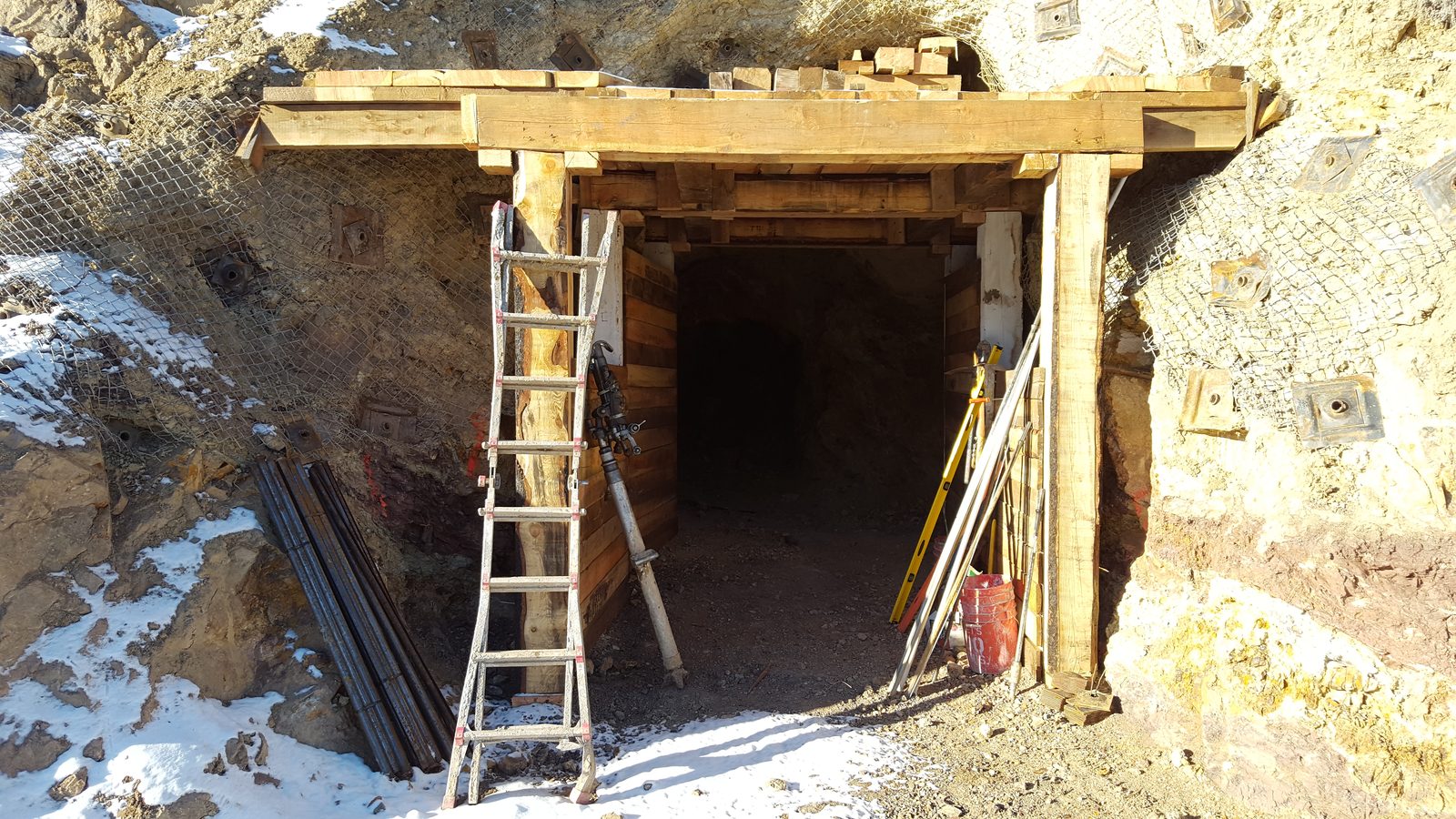
The Bayhorse Property has been historically identified as the location of the largest silver deposit found in the state of Oregon. Mining has been conducted intermittently at Bayhorse since the early 1920s and the mine last closed after the price of silver dropped to under US$6/oz in late 1984. The Bayhorse Silver Mine has two existing accessible rehabilitated adits where mineralized material is being extracted.
The Bayhorse Silver Mine is now in an active state, where the mineralized material extracted from the mine can be upgraded using a state of the art “Steinert” Ore-Sorter, before further processing at its Flotation Facility, where a silver concentrate can be produced.
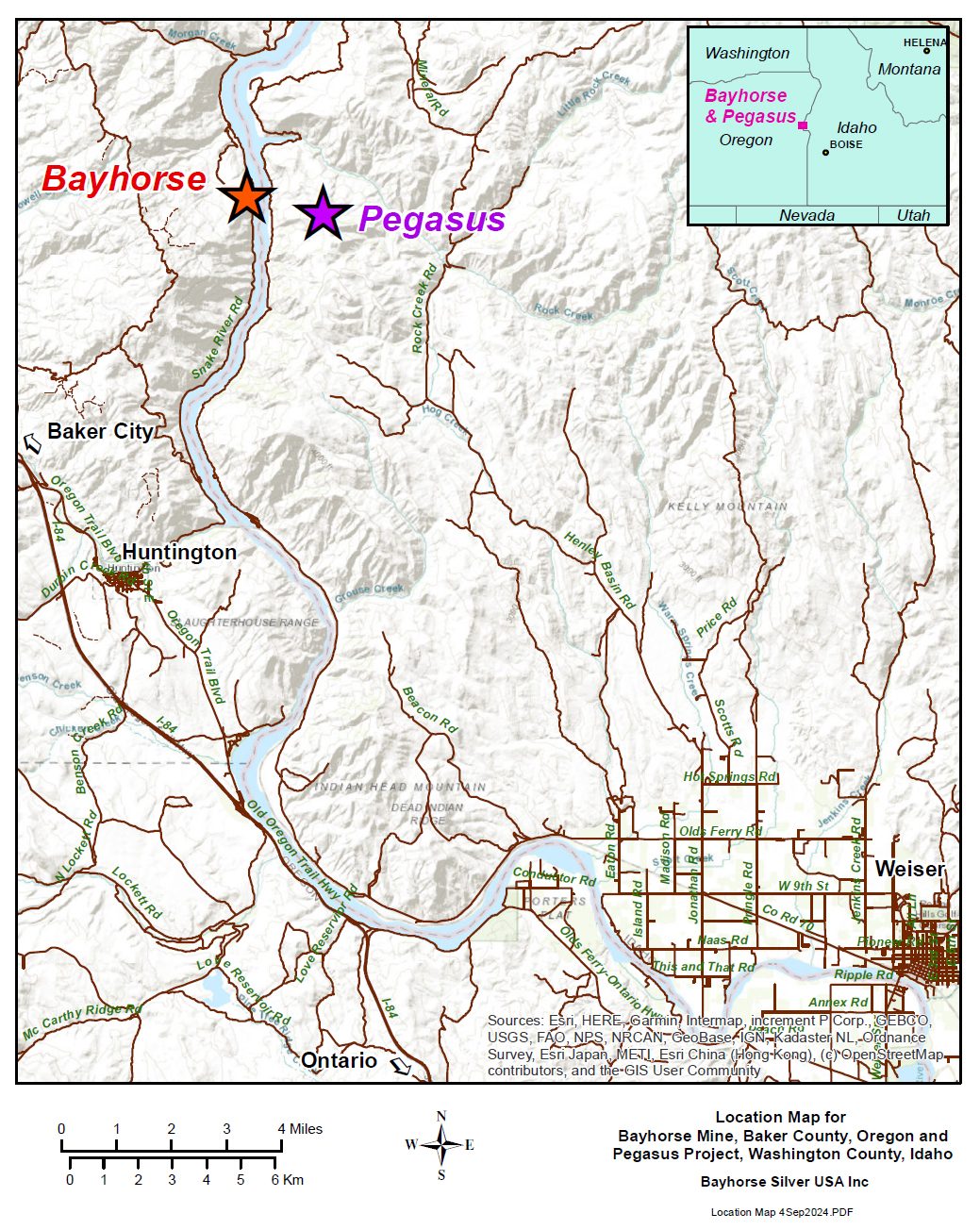
The Bayhorse Silver Mine is in Baker County, Oregon. The Pegasus copper porphyry prospect lies 5,000 feet from the mine, in Idaho, and the Company’s mill is in Payette, Idaho.